


Settings
A good number of port options, Low ALC, and a frequency range between 420 to 450 MHz.

Troubleshooting
Expert guidance to make troubleshooting a breeze and get your ham radio experience on track.

Manuals
Comprehensive manuals for your equipment are available to enhance the user experience.

Tips
We offer pro tips to relish your ham radio experience and enjoy crystal-clear communication.

Computer Software
Unlock the full potential of the radio using our specialized and latest software applications.
Electronic Components
Learn more about various customizable electronic components for your ham radio projects




Radio and Drain Unblocking Company: An Unlikely Partnership
Marketing is a vital component in the business world that can determine a company’s success or failure. For a drainage company in Gillingham, one might think that multimedia advertising methods are the only way to go because they use the latest technology to convey messages to potential customers.
However, the power of radio should not be underestimated. In fact, radio remains an effective marketing channel through which a drainage company can connect to potential customers. Radio advertising has many benefits, such as cost-effectiveness, engaging content, and frequency.
The Power of Radio
Even as digital media expands, radio has persisted as an important part of people’s lives for over a century. It attracts a broad audience across different platforms. In Gillingham, it is possible to reach thousands of listeners weekly with a drainage company’s message just like blockeddraingillingham.co.uk recently did.. That is what a business can do when advertising on the radio, where many people listen regularly.
Crafting the Perfect Message
The first step in radio promotion is crafting the perfect message. This message should be concise, clear, and compelling. It should highlight the benefits of drainage services, such as preventing property damage, maintaining a healthy environment, and saving money in the long run. By using a strong hook and a clear call to action, a drain unblocking company can create a radio ad that will persuade potential customers to choose it over the competition.
Choosing the Right Time and Station
Not all radio stations and timeslots are created equal. It is important to choose a station that reaches the target demographic. For a drainage company, this might be homeowners, landlords, or property managers. The best times to air commercials are during peak listening hours, such as during the morning and evening commutes.
Using Jingles and Sound Effects
One of the unique aspects of radio advertising is the use of sound. A catchy jingle or memorable sound effect can make a commercial stand out. For a drainage company, this could be the sound of rushing water or a catchy tune about keeping drains clear.
Offering Promotions
Providing special promotions or discounts is an effective way to appeal to new customers. These could be announced during the radio ad, encouraging listeners to take action. To attract more customers, a drainage company could offer a lower rate for first-time users or a special incentive for those who refer a friend.
Tracking Results
Finally, it is important to track the results of the radio campaign. This can be done by asking new customers how they heard about the company or using a special promotion code in the radio ad. By tracking results, the drainage company can determine if their radio advertising efforts are effective and worth continuing.
In conclusion, radio offers a unique and effective way for a drainage company to reach a wide audience. With the right message, timing, and tracking, a drainage company can significantly boost its visibility and customer base. So, don’t underestimate the power of the airwaves – your next customer could be listening.

How Radio and Your Removal Company Can Harmonize Your Relocation
If you have got household items that are heavy, oddly shaped, delicate, or even just sentimental and moving them seems like a daunting task, hiring a professional removal company is the best option. With their expertise and experience, they can help you pack, transport, and unpack your belongings with ease and efficiency. But what does a radio have to do with all of this?
Radio is a powerful advertising medium for removal companies in Doncaster. Most people listen to the radio during their morning commute or while driving around town running errands. This means that they are constantly exposed to advertisements from local businesses including removal companies. By advertising on the radio, removal companies can reach a large audience and inform them of their services.

Let’s see how these two industries harmonize to make your move easy and stress-free.
1. Tuning In for Information
Most radio stations have local talk shows where listeners call in and share their experiences with different local businesses, including a removal company. This allows potential customers to hear about other people’s experiences and learn about the reputations of different companies. Radio hosts also often invite local business owners as guests on their shows, allowing them to showcase their expertise and establish trust with listeners. Positive recommendations from real customers in Doncaster can go a long way in building trust and credibility for removal companies
2. Finding the Right Fit
With so many removal companies out there, it can be overwhelming to find the one that best meets your needs. Advertisements often highlight specific services offered by each company, making it easier for customers to find the right fit for their move. Whether you need help with packing, storage, or transportation, you will get valuable information from these advertisements. However, it is important to go beyond the advertised services and do your own research.
3. You Leave the Heavy Lifting to the Pros
One of the biggest benefits of hiring a professional removal company is that you can sit back, relax, and let them do all the heavy lifting. Moving heavy and bulky furniture or fragile items requires special equipment and skills that most people don’t possess. By hiring professionals, you can avoid potential injuries and damage to your belongings.
4. Making Your Move Efficient
Professional removal companies have the knowledge and experience to make your move as efficient as possible. They know how to properly pack items to maximize space, use the right equipment for safe transportation, and efficiently load and unload the moving truck. This can save you time and money in the long run by avoiding multiple trips or damage to your belongings.
5. Local Updates and Tips:
When you move to a new area, getting acquainted with your surroundings is essential. Radio stations often provide valuable local information, including traffic updates, weather forecasts, and community events. Listening to the radio can help you stay informed about your new neighbourhood and connect with the local community from day one. For those moving to a new city or state, this can be incredibly helpful in easing the transition and making you feel at home.

Conclusion
Hiring a professional removal company can make all the difference in ensuring a smooth and stress-free move. With radio advertisements providing vital information, recommendations from real customers, and updates on local happenings, it’s clear how these two industries harmonize to help you with your move.
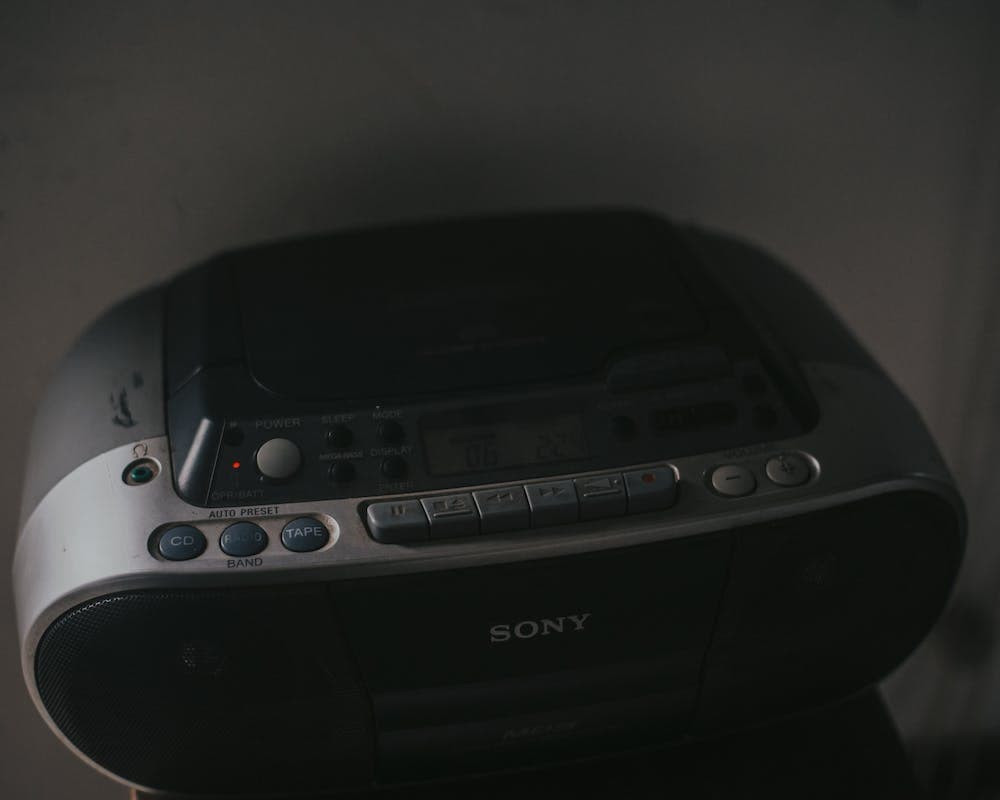
How Radio Can Help a Removal Company Grow Business
Despite being a classic communication tool, radio remains helpful for broadcasting information, entertainment, and advertising to the wider community. For a moving company Northampton, this one-way channel can still provide them with the potential to reach a large number of prospects. When used properly, radio can cut through the clutter and reach people on the go with a relevant and timely message.
Radio can serve as an effective marketing tool for removal companies seeking to expand. It allows them to promote their brand and services to potential customers planning to move, fostering trust and reputation by sharing testimonials, tips, and advice from satisfied clients and experts.

In a different scenario, a Northampton removal company can use radio to coordinate their operations, such as scheduling, routing, and tracking of their staff and vehicles. Radio can also help them to communicate with their clients, such as confirming appointments, updating progress, and resolving issues.
A radio station usually broadcasts news and talk shows to the listeners. A removal company can advertise during their broadcasts or even schedule a special radio program to inform prospective customers about the services they offer. In the program, they can offer special promotions or discounts to listeners who are in need of relocation services.
While it may seem like an old-fashioned communication platform, radio actually remains a powerful medium capable of reaching a large and diverse audience. It can effectively be used to advertise services, promote a brand, and connect with people within its signal reach. Here are some of the benefits of radio advertising for removal companies in Northampton:
· Radio can target potential customers based on their location, demographics, interests, and listening habits. A removal company can choose the radio stations, programs, and time slots that best suit their audience and budget.
· It can help create a memorable message that sets a removal company apart from their competition. Through the use of sound effects and testimonials, radio advertising can make the company’s ad more engaging and persuasive.
· Radio provides a platform through which a removal company can build relationships with their customers by offering helpful information and updates about their removal services. It also allows the company to showcase their professionalism and highlight customer satisfaction.
· Radio can help generate more leads and conversions by encouraging listeners to call, visit a removal company’s website, or book their services online. The company can also use radio to offer special incentives to attract more customers.

As business competition intensifies today, the world of advertising has seen a dramatic increase in activity, especially in the digital arena. There, brands and companies use striking advertisements to attract more customers. With eye-catching image and video content, they aim to reach a wide audience and gain as much market share as possible.
Advertising technology may keep progressing and offering innovative ways to engage audiences, but radio’s role as an old tool should not be overlooked. In fact, if a removal company takes full advantage of it, they will be able to elevate their brand to a new level of recognition.

What Is Ham Radio: An Intro To Ham Radio For Beginners
We are in the digital age where social media and instant messaging reign supreme. Yet, it may surprise some that a century-old mode of communication still thrives. Enter Ham Radio, also known as Amateur Radio. This fascinating world offers enthusiasts a way to communicate globally, dive deep into technical experimentation, and provide crucial communication during te? Here’s a beginner’s introduction.
Defininemergencies. But what exactly is Ham Radio, and why does it continue to captivag Ham Radio
At its core, ham radio uses radio frequencies (RF) to send messages without relying on the internet or a cellular network. Amateur radio operators, known as hams, use various types of radio equipment to communicate with other hams, be it across towns or continents.
Why the name “Ham” Radio?
The term “ham” was originally a pejorative label used by professionals in the early days of radio to describe amateurs with poor Morse code skills. However, the amateur community took the term in stride, embracing it with a sense of pride. Now, it’s a universally accepted moniker for this hobby.
How does it work?
Unlike your regular FM or AM radio, where you’re merely a passive listener, Ham Radio is two-way mode of communication. Hams transmit and receive messages using radio wave as on specific frequency bands designated for amateur use. By adjusting frequencies, us different modes like Morse code, voice, or digital, and leveraging antennas of various sizing’s and shapes, hams can contact others near and far.
Ham Radio’s Unique Appeal

Global Connections: One day, you might chat with someone from Australia, and the next day, with someone from a remote island. Distance is no barrier, making the world feel smaller and friendlier.
Technical Exploration: For those inclined towards tinkering, ham radio offers endless possibilities. You can build your own equipment, experiment with antennas, or delve into digital communication modes.
Emergency Communications: When natural disasters strike and regular communication channels fail, Ham Radio often remains functional. Many hams participate in emergency response teams, providing crucial lines of communication during crises.
Community: The Ham Radio community is vast and diverse. Local clubs, online forums, and global events offer myriad opportunities to connect, learn, and collaborate.
Getting Started
Licensing: You’ll need a license to operate a ham radio. In the U.S., for instance, the Federal Communications Commission (FCC) oversees this process. Aspiring hams must pass an examination to demonstrate knowledge of radio technology, operations, and relevant regulations.
Equipment: Once licensed, you’ll need equipment. While advanced setups can be costly, beginners can start with basic handheld radios that are affordable. Over time, many hams invest in more sophisticated gear, often piecing together unique stations that suit their interests and needs.
Join a Club: One of the best ways to dive into the world of Ham Radio is to join a local club. Here, experienced operators mentor newcomers, helping them navigate the technical aspects, understand best practices, and make their first contacts.
Ham Radio in the Digital Age

With the advent of the internet and smartphones, one might wonder about ham radio’s relevance today. However, this medium offers something unique. It’s not about speed, efficiency, or the latest trends. It’s about connecting in a raw, real, and unfiltered way. When you communicate via ham radio, there’s no corporate algorithm dictating your feed, no concern about data breaches or digital eavesdropping. It’s just you, the airwaves, and a vast community of fellow enthusiasts.
Conclusion
Ham Radio is a dynamic blend of science, hobby, and community. It’s a realm where the age-old magic of radio communication converges with modern technical innovations. Whether you’re drawn to the allure of global conversations, the thrill of technical experimentation, or the call to serve during emergencies, Ham Radio offers a unique and rewarding journey. So, the next time you’re looking for a hobby that combines technology, community, and a touch of nostalgia, consider tuning into the world of Ham Radio. You might just find your frequency.